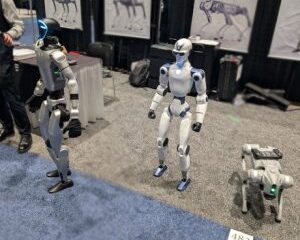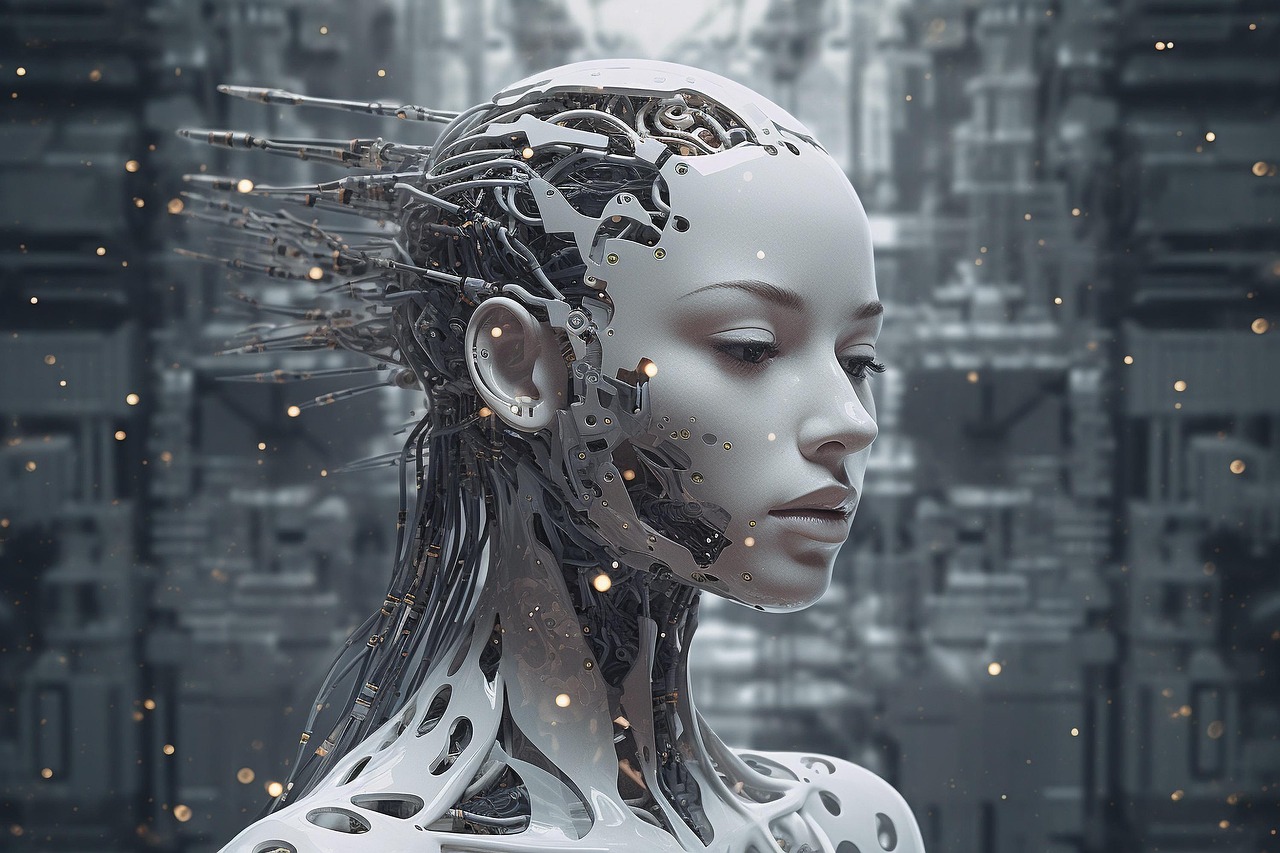

Silicon Valley is about to host a gathering that feels less like a tech conference and more like a preview of the near future. The Physical AI Conference, a two-day event dedicated to embedding intelligence into machines and infrastructure, lands at the San Jose McEnery Convention Center on May 18–19, 2026. This is not a gathering for chatbot enthusiasts or software purists. It’s designed for engineers, builders, and AI pioneers who are tired of talking about models and ready to talk about motors, sensors, and real-world deployment.
As artificial intelligence barrels beyond the digital world into robotics, industrial automation, and autonomous systems, the industry faces a crucial question: how do you move from a promising prototype to a production-grade system that can sense, reason, and act in unpredictable environments? The Physical AI Expo North America aims to answer that question by bringing together global innovators, enterprise technologists, and infrastructure providers. From automotive and defense to logistics and manufacturing, organizations are pouring resources into AI that doesn’t just think but physically does something.
Why Physical AI Matters Now More Than Ever
The conversation around AI has shifted dramatically. Software-based intelligence already rewrote the rules for digital workflows, but the next competitive leap is physical. Think of a factory robot that adapts to a misplaced part on the assembly line, or a delivery vehicle that navigates a chaotic city street without human intervention. That’s the promise of Physical AI, and it requires a fundamentally different approach to infrastructure, reliability, and safety.
The conference agenda reflects this shift. Day one zeroes in on AI strategy, enterprise transformation, and the massive data platforms needed to support autonomous intelligence at scale. Day two dives into the messy reality of moving from prototype to production, covering robotics, automation, and the developer workflows that power intelligent machines. Organizers have deliberately split the focus between high-level strategy and the gritty engineering details that often make or break a deployment.
The Speakers Bringing Real-World Credibility
This is not a hypefest. The lineup reads like a who’s who of serious AI and robotics organizations. Leslie Karpas, Inception Global Head of Physical AI at NVIDIA, will be there. So will Arne Stoschek, VP of AI and Autonomous at Airbus Acubed, and Dr. Vinesh Sukumar, Vice President of AI at Qualcomm. Jose Alvarez, Director of Research at NVIDIA, joins Simon Ninan from Hitachi, Sungho Kim from Hyundai Global Software Center, Naresh Dulam from JPMorgan, and Pierre-Alexandre Balland, Chief Data Scientist at CEPS and Co-founder of General Robotics.
These are people who have actually deployed AI in the physical world, not just written papers about it. When they talk about scalability challenges or infrastructure bottlenecks, they speak from experience. That matters because the gap between a demo and a deployment is where most projects die. The conference is designed to bridge that gap by focusing on practical ROI, human-AI collaboration, and the reliability standards required for systems that operate without a safety net.
What’s Actually on the Table
Topics range from enterprise-scale robotics and industrial automation to AI data platforms and compute infrastructure. One session will explore how to make AI transparent and safe enough for critical environments, like a hospital or a defense contractor’s operations floor. Another will tackle the often overlooked challenge of integrating legacy hardware with modern AI systems. Because let’s be honest, most factories are not running on shiny new equipment. They run on decades-old machines that now need to talk to neural networks.
The expo also dedicates space to developer tools and workflows, recognizing that the people building these systems often struggle with fragmented software stacks. If you’ve ever tried to get a perception model to run reliably on an edge device, you know exactly what I’m talking about. The conference aims to provide actionable insights, not just inspirational keynote speeches.
Building AI That Acts, Not Just Thinks
Michael Hughes, Head of Conference Production, put it succinctly: “Physical AI is rapidly moving from concept to deployment. The conversation is no longer just about models. It’s about infrastructure, robotics, autonomous systems, and building AI that can reliably operate in the real world at scale.” He’s right. The days of treating AI as a software problem are ending. The next wave requires a blend of hardware engineering, data science, and operational grit.
For developers and technologists attending, the value lies in seeing how organizations like NVIDIA, Airbus, and Qualcomm are solving the same problems everyone else faces. How do you ensure a robot doesn’t freeze when a sensor fails? How do you train a model on data that changes every season? How do you convince a CFO that the ROI on a six-figure autonomous system is real? These are the conversations that will shape the next decade of industrial and consumer robotics.
As the event approaches, one thing is clear: physical AI is no longer a niche interest. It’s becoming the mainstream battleground for companies that want to lead in automation, manufacturing, and logistics. If you’re building something that moves, senses, or acts, San Jose in May might just be the most important two days of your year.